A bespoke trekking in nepal adventure.
Langtang Valley Trek is one of Nepal’s most spectacular and culturally rich Himalayan trekking experiences, located just north of Kathmandu, near the Tibetan border. Experience Lifetime Adventure with Mountain King Treks as you explore serene valleys, lush forests, traditional Tamang villages, and towering snow-capped peaks. This trek offers a perfect blend of natural beauty, cultural immersion, and moderate trekking challenges, making it ideal for both novice and experienced hikers seeking an unforgettable Himalayan journey.
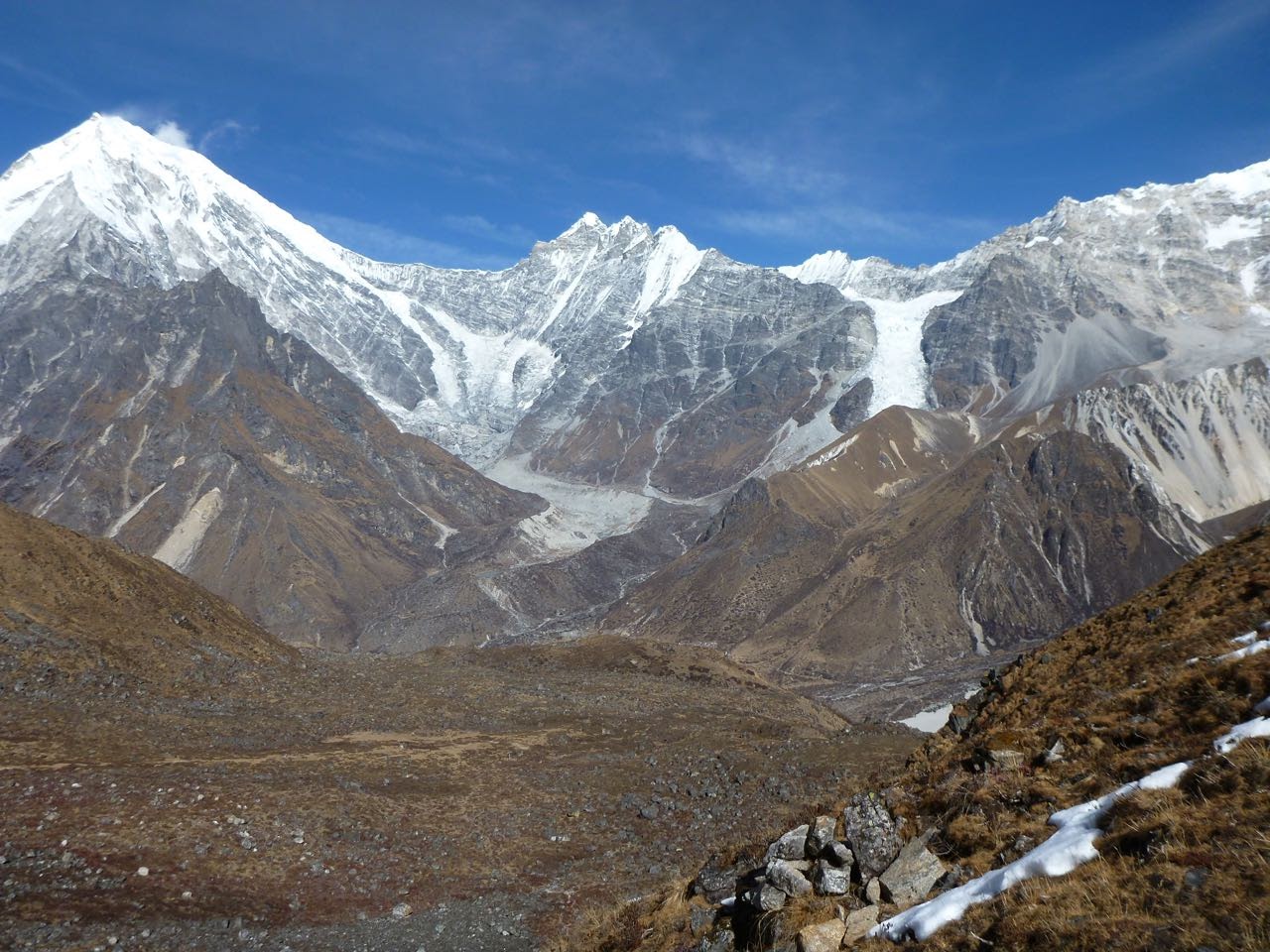
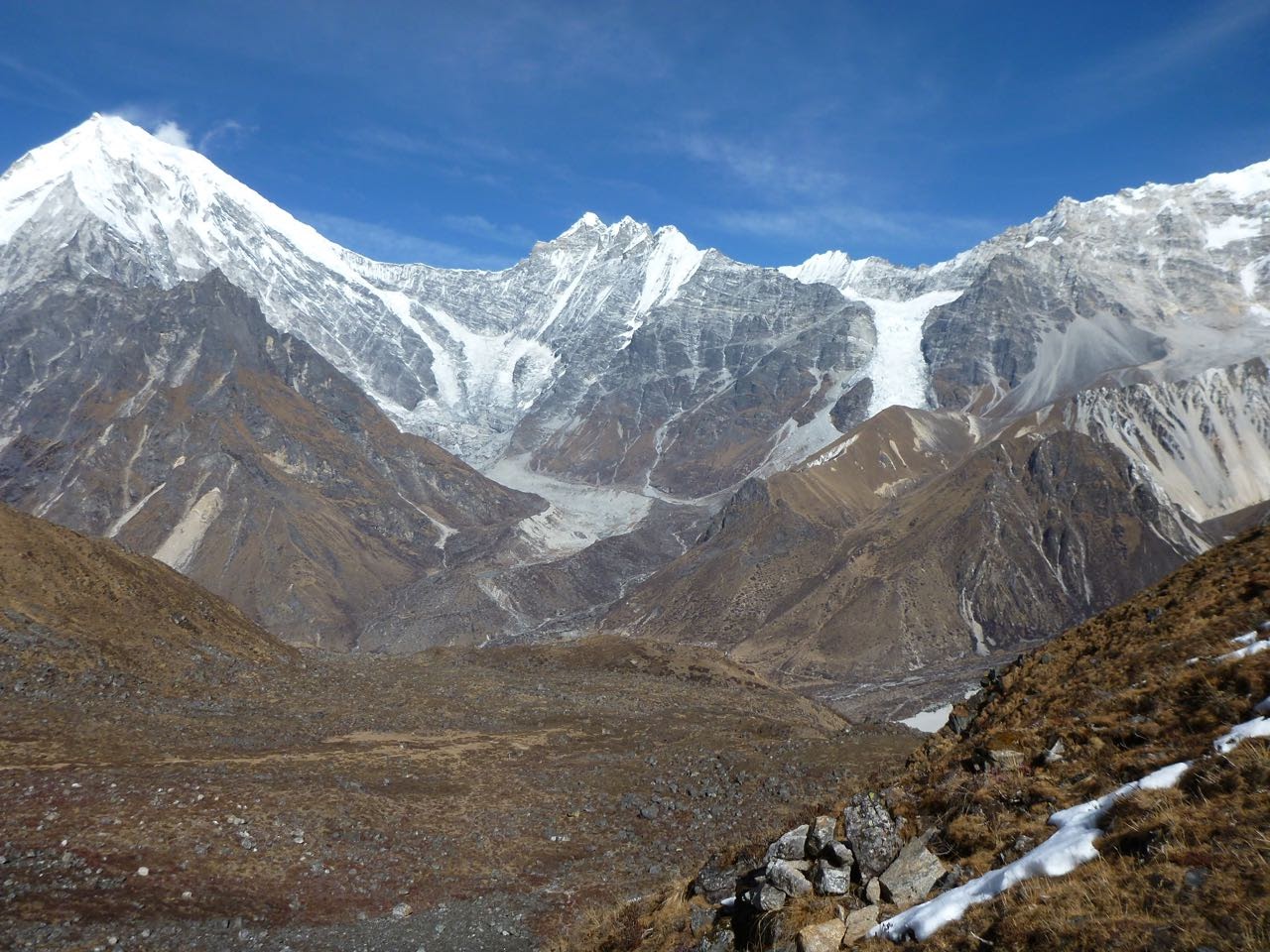
The 12-day itinerary begins with three nights in Kathmandu, including one day dedicated to sightseeing of UNESCO World Heritage Sites, giving trekkers a cultural introduction before heading into the mountains. A scenic drive takes you to Dhunche, the gateway to Langtang, followed by a trek through picturesque landscapes including Syabrubesi, Lama Hotel, Langtang Village, and finally reaching Kyanjin Gompa. Along the way, trekkers are treated to breathtaking views of Langtang Lirung, Dorje Lakpa, and surrounding glaciers, alongside alpine meadows and yak pastures. The trail is carefully designed to allow proper acclimatization, ensuring a comfortable and safe trekking experience.
Langtang Valley Trek is also rich in cultural encounters, offering insight into the lifestyle, traditions, and hospitality of the Tamang people. On the descent, the trek passes through Thulo Syabru and Syabrubesi before returning to Kathmandu, providing varied scenery and memorable experiences along the way. With professional guides, well-planned services, and local expertise, Mountain King Treks ensures that every trekker enjoys a rewarding, safe, and deeply enriching adventure. This journey not only immerses you in the stunning Himalayan environment but also leaves you with lifelong memories of Nepal’s natural and cultural treasures.
Why Choose Langtang Valley Trek?
Langtang Valley Trek is ideal for trekkers seeking a combination of natural beauty, cultural immersion, and moderate trekking challenges. Unlike busier trails, this trek offers a serene Himalayan experience, passing through traditional Tamang villages where you can witness centuries-old customs, monasteries, and local lifestyles. Trekkers enjoy awe-inspiring views of snow-capped peaks, glaciers, and pristine alpine meadows, making every step a visual delight.
This trek is perfect for those who want a shorter Himalayan adventure without compromising on scenic diversity and cultural richness. The route allows proper acclimatization, ensuring safety and comfort for all fitness levels. Whether you are an enthusiastic beginner or an experienced trekker, Langtang Valley Trek promises a deeply rewarding journey, combining adventure, tranquility, and the warm hospitality of the Nepali people.
Trip Highlights – Langtang Valley Trek
- Stunning views of Langtang Lirung & surrounding peaks
- Explore traditional Tamang villages & local culture
- Visit Kyanjin Gompa monastery & yak cheese farms
- Scenic forests, rivers, and alpine meadows along the trail
- Moderate trek suitable for beginners & experienced hikers
- Spectacular Himalayan sunsets & sunrises
- Opportunities for wildlife spotting, including Himalayan birds
- Proper acclimatization with comfortable lodge stays
Short Itinerary – Langtang Valley Trek
- Day 1: Arrival in Kathmandu, airport transfer, hotel check-in, rest, and trek briefing
- Day 2: Kathmandu Valley sightseeing (UNESCO World Heritage Sites, 1,400 m, 5–6 hrs)
- Day 3: Drive Kathmandu → Dhunche (140 km, 1,950 m, 6–7 hrs)
- Day 4: Trek Dhunche → Thulo Syabru (10 km, 1,200 m ascent, 5–6 hrs)
- Day 5: Trek Thulo Syabru → Lama Hotel (12 km, 500 m ascent, 5–6 hrs)
- Day 6: Trek Lama Hotel → Langtang Village (8 km, 400 m ascent, 4–5 hrs)
- Day 7: Trek Langtang Village → Kyanjin Gompa (6 km, 300 m ascent, 3–4 hrs)
- Day 8: Acclimatization & optional hike to Tserko Ri (4 km, 200–300 m ascent/descent, 3–4 hrs)
- Day 9: Trek Kyanjin Gompa → Lama Hotel (14 km, 500 m descent, 6–7 hrs)
- Day 10: Trek Lama Hotel → Syabru Besi (12 km, 600 m descent, 5–6 hrs)
- Day 11: Drive Syabru Besi → Kathmandu (140 km, 6–7 hrs)
- Day 12: Final departure from Kathmandu
Trip Facts – Langtang Valley Trek
- Duration: 12 days
Trekking Days: 7 days
Maximum Altitude: 4,984 m (Tserko Ri optional hike)
Trekking Distance: Approx. 80–90 km
Daily Trekking Hours: 3–7 hours
Trekking Grade: Moderate
Start Point: Kathmandu (1,400 m)
- End Point: Kathmandu (1,400 m)
- Accommodation: Hotels in Kathmandu; teahouses/lodges along the trail
- Meals: 3 meals per day during trek (B/L/D) with tea or coffee
- Best Seasons: March–May, September–November
Checklist / Trek Preparation & Packing – Langtang Valley Trek
- Moisture-wicking base layers (shirts, thermal leggings)
- Insulating mid-layers (fleece jackets, down jackets)
- Waterproof and windproof outer shell
- Trekking pants and shorts for lower altitudes
- Warm hat, gloves, and scarf/buff
- Comfortable trekking socks
Footwear & Gear:
- Sturdy, broken-in trekking boots with ankle support
- Trekking poles for steep and rocky trails
- Daypack for essentials
- Sleeping bag rated for sub-zero temperatures
- Water bottles or hydration system
Health & Personal Items:
- Sunscreen and lip balm with SPF
- Personal medications and basic first aid kit
- Hand sanitizer and wet wipes
- Insect repellent
- Sunglasses and hat for sun protection
Documents & Permits:
- Passport with at least six months’ validity
- Langtang National Park Permit & TIMS card
- Travel insurance covering high-altitude trekking
Optional / Extras:
- Camera or GoPro, binoculars
- Power bank and charging cables
- Trekking umbrella or rain cover
Physical Preparation:
- Cardio exercises (running, cycling, brisk walking)
- Hiking practice with elevation gain
- Leg strengthening workouts (squats, lunges)
Langtang Valley Trek – Difficulty, Fitness & Health Considerations
The Langtang Valley Trek is considered moderate, suitable for trekkers with a reasonable level of fitness, endurance, and enthusiasm for Himalayan landscapes. The route combines gradual ascents through lush subtropical forests, flowing rivers, and terraced villages, with steeper climbs as you approach alpine zones near Langtang Village and beyond. While the trek does not require technical mountaineering skills, trekkers should be prepared for uneven trails, rocky paths, and trekking days averaging 5–6 hours.
Built-in acclimatization in Langtang Village allows your body to adjust to higher altitudes (up to ~3,500 m), minimizing the risk of altitude sickness. Proper hydration, nutrition, and pacing are essential, as are following the guides’ instructions regarding rest, weather, and altitude awareness.
To prepare for the trek, focus on cardiovascular fitness, leg strength, and endurance, and practice hiking with a backpack over varied terrain. Wearing appropriate layers, using trekking poles, and breaking for short rests and hot tea or coffee each meal ensures comfort and energy throughout the journey.
With careful preparation, the Langtang Valley Trek offers a rewarding Himalayan adventure, taking you through dramatic gorges, traditional Tamang villages, rhododendron forests, and sweeping views of peaks like Langtang Lirung (7,227 m). This trek is perfect for those seeking natural beauty, cultural immersion, and a moderate but fulfilling mountain experience.
Best Season for Langtang Valley Trek
The Langtang Valley Trek is accessible nearly year-round, but the ideal trekking seasons are spring (March–May) and autumn (September–November). During these months, the weather is stable, skies are clear, and panoramic views of peaks like Langtang Lirung (7,227 m), Langshisha Ri, and surrounding Himalayan ranges are at their most spectacular.
Spring offers blooming rhododendron and alpine flowers, pleasant daytime temperatures, and lively local activity in Tamang villages along the route. Autumn provides crisp, clean air, excellent visibility of snow-capped peaks, and the chance to witness vibrant local festivals, making it perfect for photography and cultural experiences.
Winter (December–February) is cold, particularly above Langtang Village and near Tserko Ri, with occasional snowfall, suited for experienced trekkers seeking solitude and snow-covered landscapes. Monsoon (June–August) brings heavy rainfall, slippery trails, and leeches at lower altitudes, making trekking more challenging and less safe.
Customize Your Langtang Valley Trek
The Langtang Valley Trek can be easily tailored to match your schedule, fitness level, and interests. Trekkers may choose to extend their stay in villages like Langtang, Lama Hotel, or Kyanjin Gompa for additional acclimatization, or embark on optional hikes to viewpoints such as Tserko Ri for panoramic vistas of the Langtang Valley.
For wildlife enthusiasts, the trek offers opportunities for Red Panda spotting and observing other Himalayan wildlife in their natural habitats, making it ideal for eco-tourists and nature lovers. The region’s rich biodiversity includes musk deer, Himalayan black bears, langurs, and a variety of bird species.
For those seeking extra adventure, the trek can be combined with the Helambu Trek, Gosainkunda Lake, or other nearby alpine extensions. Families or travelers preferring a slower pace can include rest days in scenic villages along the route to immerse in local culture, observe traditional lifestyles, and enjoy the pristine environment.
Private or small-group treks are available, and itineraries can be adjusted to maximize wildlife encounters, cultural experiences, or photography opportunities, offering flexibility and comfort while ensuring you experience the full Langtang Valley adventure.
Trekking Permits, Paperwork & Entry Fees – Langtang Valley Trek
Before starting the Langtang Valley Trek, trekkers must obtain specific permits and complete essential documentation. Mountain King Treks manages all permits, paperwork, and entry fees in advance to ensure a smooth, hassle-free journey.
Required Trekking Permits:
• Langtang National Park Permit (LNP): Mandatory for all trekkers in Langtang Valley
• Trekkers’ Information Management System (TIMS) Card: Required for trekking registration
• Additional permits: May be required for side trips to Tserko Ri or other restricted areas
Kathmandu Sightseeing Fees:
• Entry fees apply for UNESCO World Heritage Sites including Durbar Square, Swayambhunath, Boudhanath, and Pashupatinath.
Required Documentation:
• Valid passport (≥6 months) and passport-size photos
• Travel insurance covering medical emergencies, high-altitude evacuation, and trekking risks
All permits and paperwork are arranged in advance, allowing trekkers to focus entirely on their Langtang Valley adventure and enjoy a stress-free start to the journey.
Responsible Trekking & Local Culture – Langtang Valley Trek
At Mountain King Treks, we emphasize responsible, eco-friendly, and culturally respectful trekking throughout the Langtang Valley. Following these practices protects the environment, supports local communities, and preserves the region’s rich Tamang and Tibetan cultural heritage.
Eco-Friendly Practices:
• Carry out all trash and minimize single-use plastics
• Conserve water and energy at lodges and tea houses
• Respect wildlife, forests, and alpine ecosystems
Cultural Respect:
• Ask permission before photographing villagers, monasteries, or sacred sites
• Support local communities by staying in guesthouses, hiring local guides and porters
• Learn about Tamang traditions, Buddhist monasteries, festivals, and mountain hospitality
Sustainable Trekking:
Responsible trekking ensures that local communities benefit, helping preserve culture and environment for future generations. The Langtang Valley Trek offers not just spectacular Himalayan views, but also the chance to immerse yourself in authentic mountain culture while leaving a positive impact.
Related Blogs & Langtang Travel Guide – Langtang Valley Trek
Explore our upcoming guides and blogs to plan your Langtang Valley Trek with more insights, tips, and inspiration:
Coming Soon:
• Top 10 Best Treks in Nepal – From beginner-friendly to moderate and challenging routes, including Langtang Valley, Gosainkunda Lake, Helambu, Everest Base Camp, and other iconic trails.
• Best Time to Visit the Langtang Region – Seasonal advice for trekking, photography, and weather considerations for a 10–12 day Langtang Valley Trek.
• Cultural Insights: Tamang, Sherpa & Tibetan Villages – Discover local traditions, festivals, lifestyle, and hospitality along the Langtang route.
• Langtang Photography & Mountain Views Guide – Tips for capturing Langtang Lirung, Dorje Lakpa, Ganesh Himal, and surrounding peaks from key viewpoints.
• Langtang Trek Travel Guide – Complete overview of trekking routes, acclimatization tips, scenic stops, and village experiences.
• Preparation & Packing for Langtang Valley Trek – Essential advice on gear, permits, fitness, and safety for your adventure.
These guides will help you plan your trek efficiently, immerse yourself in local culture, and prepare for a safe, unforgettable adventure on the Langtang Valley Trek with Mountain King Treks.
Why Choose Mountain King Treks – Langtang Valley Trek
Choosing Mountain King Treks & Expedition Pvt. Ltd. ensures a safe, well-organized, and unforgettable experience on the Langtang Valley Trek. With decades of expertise, our team provides professional guidance, local insights, and seamless logistics throughout your journey.
Why Trek with Us:
• Experienced, government-licensed trekking guides with in-depth knowledge of the Langtang region
• Professional support staff, including porters and cooks, ensuring comfort and safety at every stage
• Focus on authentic cultural experiences with Tamang, Sherpa, and Tibetan-influenced villages
• Well-planned acclimatization, teahouse stays, and carefully organized logistics for stress-free trekking
• Emphasis on responsible, eco-friendly, and community-supporting trekking practices
• Optional extensions and customizable itineraries to match your pace, interests, and fitness level
• 35+ years of Himalayan trekking experience ensuring reliability, trust, and insider knowledge
With Mountain King Treks, you not only explore the Himalayas but also immerse yourself in culture, nature, and adventure, creating memories that last a lifetime.
FAQs for Langtang Valley Trek
1. What is the difficulty level of the Langtang Valley Trek?
The trek is moderate, suitable for trekkers with a reasonable fitness level. It involves gradual ascents through forested valleys and high-altitude trails with some steep sections. Proper trekking boots, fitness preparation, and acclimatization help ensure a comfortable experience.
2. How long is the Langtang Valley Trek?
The standard itinerary is 10–12 days, including 3 nights in Kathmandu, one day sightseeing, trekking from Dhunche to Syabrubesi via Thulo Syabru, and returning to Kathmandu by road. Daily trekking distances range from 6–12 km, with 4–6 hours of walking on average.
3. What is the best season to trek Langtang Valley?
The best seasons are spring (March–May), when rhododendrons bloom and temperatures are mild, and autumn (September–November), which offers clear skies and stunning panoramic mountain views. Winter (December–February) is possible for experienced trekkers but can be very cold. Monsoon (June–August) brings heavy rainfall and slippery trails, which is not recommended.
4. Do I need permits for Langtang Valley Trek?
Yes. Trekkers must obtain a Langtang National Park Permit and a TIMS (Trekkers’ Information Management System) card. Mountain King Treks handles all permits and paperwork, so you can focus fully on your trek.
5. What kind of accommodation is provided during the trek?
Accommodation is in teahouses or lodges along the route, with hot meals and tea/coffee included. In Kathmandu, you’ll stay in a 3-star hotel on a bed-and-breakfast basis for 3 nights.
6. What meals are provided during the trek?
All three meals (breakfast, lunch, and dinner) are provided each day during the trek, including a cup of tea or coffee at each meal. Fresh seasonal fruits and snacks are also offered to keep energy levels up.
7. Is the Langtang Valley Trek suitable for beginners?
Yes, beginners with good fitness and enthusiasm can enjoy the trek. While no technical climbing is required, some days involve steep ascents, so proper preparation and following the guide’s advice is important.
8. How should I prepare physically for the trek?
Focus on cardiovascular fitness, leg strength, and endurance. Practice hikes with a backpack, running, brisk walking, or cycling are recommended. Proper rest, hydration, and nutrition during the trek are also key.
9. Are guides and porters provided?
Yes. Mountain King Treks provides a government-licensed trekking guide, porters (1 porter per 2 trekkers), and support staff to ensure your journey is safe, comfortable, and enjoyable.
10. Can the trek be customized?
Absolutely. The itinerary can be adjusted to include additional acclimatization days, alternative routes, or extra sightseeing, depending on your fitness, interests, and pace.
Ready to experience the Langtang Valley Trek?
Embark on a stunning Himalayan adventure with Mountain King Treks & Expedition Pvt. Ltd., enjoying cozy teahouse stays, professional guides, serene rivers, lush forests, majestic mountain views, rich cultural encounters, and optional trek extensions tailored to your pace and interests.
Book Now & Customize Your Trek:
- 🟢 Send Inquiry
- 🟢 WhatsApp Us
- 🟢 Customize This Trek
Footer:
Best Trekking Agency in Nepal – Mountain King Treks & Expedition Pvt. Ltd.
📧 mountainingtreks@gmail.com | 📱 WhatsApp / Phone: +977-9841566449
What makes this special.
- Panoramic Himalayan views
- Traditional Tamang villages
- Kyanjin Gompa monastery
- Alpine meadows & rivers
- Moderate trek, beginner-friendly
- Himalayan sunsets & sunrises
- Wildlife & bird spotting
Your itinerary.
Day 1 - Day : Drive to Syabrubesi - Drive to Syabrubesi, the starting point of the trek.
Day 2 - Day : Trek to Lama Hotel - Begin trekking through forests to Lama Hotel.
Day 3 - Day : Trek to Langtang Village - Continue to Langtang Village, experiencing Tamang culture.
Day 4 - Day : Trek to Kyanjin Gompa - Trek to Kyanjin Gompa, the final destination.
Day 5 - Day : Acclimatization Day - Rest day. Optional hikes to Kyanjin Ri or Tserko Ri.
Day 6 - Day : Trek back to Lama Hotel - Begin descent back to Lama Hotel.
Day 7 - Day : Trek to Syabrubesi - Final day of trekking.
Day 8 - Day : Drive to Kathmandu - Drive back to Kathmandu.
Trip includes
- • Airport pick-up and drop-off by private vehicle
- • 3-star hotel accommodation in Kathmandu (twin sharing, bed & breakfast) – 3 nights
- • Guesthouse/lodge accommodation during the trek in Langtang Valley
- • All meals during trekking (breakfast, lunch, and dinner), with a cup of tea or coffee at each meal
- • Seasonal fresh fruits with breakfast and after dinner during the trek
- • Energy bar provided each morning before trekking
- • Kathmandu sightseeing by private vehicle, including monument and temple entry fees
- • Professional English-speaking city tour guide for sightseeing
- • Government-licensed professional trekking guide
- • Porter service (1 porter for every 2 guests)
- • All required trekking permits and paperwork (Langtang National Park Permit, TIMS, and related permits)
- • All staff salaries, meals, accommodation, and insurance
- • Transportation during trek and transfers:
- • Kathmandu → Dhunche / Syabrubesi by tourist bus
- • Trek return from Lama Hotel → Syabrubesi
- • Syabrubesi → Kathmandu by bus
- • Basic first aid kit for emergency use
- • Farewell dinner with traditional cultural performance in Kathmandu
- • All applicable government taxes and service charges
Not included
- • International airfare and Nepal entry visa fees
- • Personal trekking or climbing equipment
- • Lunch and dinner in Kathmandu (outside included sightseeing/itinerary meals)
- • Bottled water, beverages, hot showers, Wi-Fi, battery charging, snacks, and sweets
- • Additional hotel nights in Kathmandu due to early arrival or late departure
- • Tips for guides, porters, and drivers (customary but not mandatory)
- • Any expenses arising from personal needs, unforeseen circumstances, or itinerary changes
Through the lens.