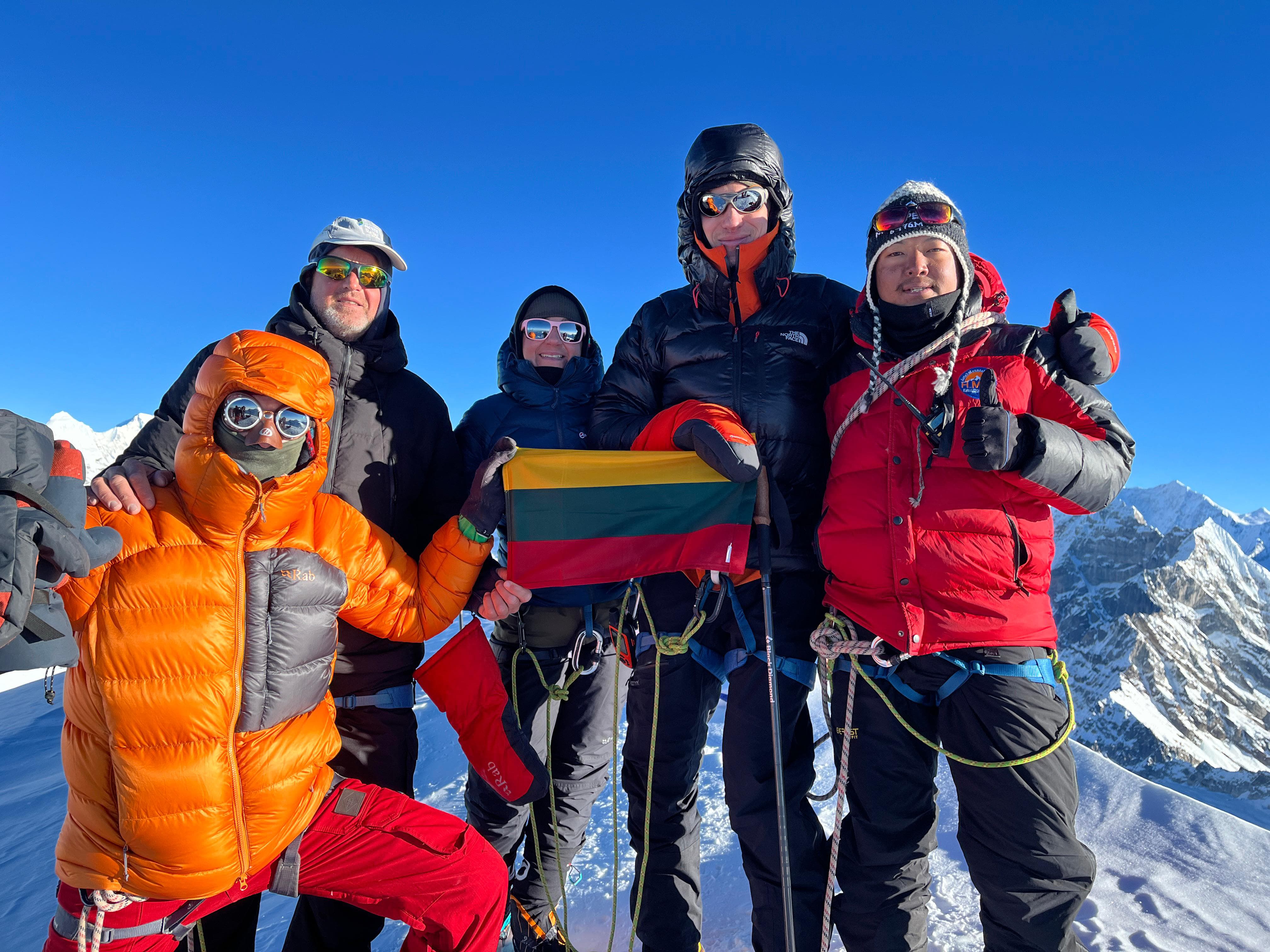
Peak Climbing in Nepal
Peak Climbing in Nepal
Peak Climbing in Nepal offers an exciting introduction to Himalayan mountaineering, combining adventurous trekking routes with basic to moderate technical climbing. These trekking peaks are ideal for climbers who want to experience the achievement of reaching a Himalayan summit without requiring full expedition-level experience.
Nepal is home to some of the world’s most popular trekking peaks, located across the Everest, Annapurna, and Langtang regions. Peaks such as Island Peak, Mera Peak, and Lobuche Peak serve as the perfect stepping stones into high-altitude climbing, offering breathtaking panoramic views, glacier crossings, ice walls, and unforgettable summit experiences in the heart of the Himalayas.
With the support of experienced Sherpa guides, well-established climbing routes, and proper acclimatization planning, peak climbing in Nepal is both safe and highly rewarding for adventure seekers from around the world. Every ascent combines physical challenge, natural beauty, and cultural exploration, making it a truly complete Himalayan experience.
What is Peak Climbing in Nepal?
Peak climbing in Nepal refers to the ascent of trekking peaks that are generally below 7,000 meters and officially classified by the Nepal Mountaineering Association (NMA). These peaks are specially designated for climbers who have basic trekking experience and are ready to take the next step into mountaineering.
Unlike full-scale high-altitude expeditions, peak climbing involves a combination of trekking, glacier travel, and basic rope and climbing techniques. It does not require advanced mountaineering background, but a good level of fitness, determination, and willingness to learn is essential.
This style of climbing is considered the perfect progression for those who want to build confidence, gain technical experience, and prepare for more challenging Himalayan expeditions in the future.
Popular Peak Climbing Routes in Nepal
Nepal offers a wide range of trekking peaks suitable for different experience levels. Some of the most popular options include:
- Island Peak (Imja Tse) – One of the most famous beginner-friendly climbing peaks in the Everest region
- Mera Peak – The highest trekking peak in Nepal with panoramic Himalayan views
- Lobuche Peak – A slightly more technical climb near Everest Base Camp
- Pisang Peak – A beautiful peak in the Annapurna region
- Yala Peak – A short and accessible climb in the Langtang region
Each peak offers a unique combination of scenery, challenge, and cultural experience.
Difficulty Level of Peak Climbing
Peak climbing in Nepal is considered moderate to challenging depending on the route and altitude. While no advanced mountaineering experience is required for most trekking peaks, basic fitness and prior trekking experience are highly recommended.
Climbers can expect:
- Glacier travel and ice walking
- Use of crampons, harness, and ropes
- High-altitude acclimatization challenges
- Weather-dependent summit attempts
With proper guidance, even first-time climbers can successfully reach the summit of many trekking peaks.
Best Season for Peak Climbing in Nepal
The best time for peak climbing in Nepal is during stable weather conditions when visibility and safety are optimal:
- Spring (March to May): Best season for most trekking peaks with stable weather and clear views
- Autumn (September to November): Excellent visibility, dry conditions, and ideal climbing temperatures
Winter and monsoon seasons are generally not recommended due to extreme cold, heavy snow, and poor visibility.
Permits and Requirements
Peak climbing in Nepal requires official permits issued by the Nepal Mountaineering Association (NMA). Depending on the peak, additional trekking permits may also be required.
Typical requirements include:
- Peak climbing permit (NMA approved)
- Trekking permits (TIMS / conservation area permits)
- Experienced licensed climbing guide
- Travel insurance covering high-altitude rescue
- Basic physical fitness and trekking experience
Proper documentation ensures a smooth and legal climbing experience in Nepal.
Why Choose Peak Climbing in Nepal?
Peak climbing is the perfect way to experience Himalayan mountaineering in a controlled and achievable way. It offers:
- A safe introduction to high-altitude climbing
- Stunning Himalayan views from the summit
- A mix of trekking and technical adventure
- Professional Sherpa guide support
- A stepping stone toward expedition climbing
For many climbers, peak climbing in Nepal becomes the first major step toward larger Himalayan expeditions.
Start Your Peak Climbing Adventure
Peak Climbing in Nepal is more than just a summit—it is a life-changing journey into the heart of the Himalayas. Whether you are aiming for Island Peak, Mera Peak, Lobuche Peak, or other iconic trekking peaks, every climb offers a unique combination of challenge, beauty, and achievement.
Explore your next adventure and take the first step toward the Himalayas.
Plan Your Peak Climbing Trip
Ready to begin your Himalayan journey? Our expert team is here to help you plan the perfect peak climbing experience based on your fitness, experience, and goals.
Contact Us | Plan Your Trip
Speak With Our Expert Team
We provide full support for peak climbing expeditions, including permits, logistics, guides, acclimatization planning, and safety management to ensure a successful summit experience in Nepal.
Contact Information
WhatsApp / Call: +977-9841566449
Email: info@mountainkingtrek.com
Mountain King Treks and Expedition Pvt. Ltd.
Specialized in safe and guided trekking peak climbing experiences across Nepal’s Himalayan regions.